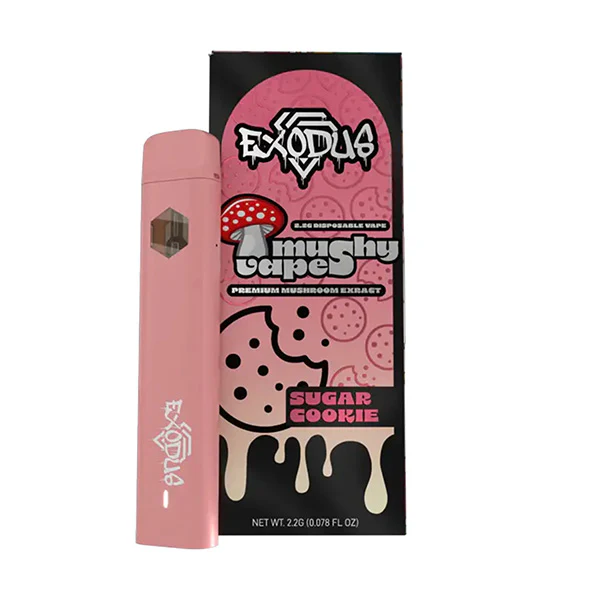
Short version: A 2g disposable cannabis vape is a sealed, all-in-one pen holding 2 grams of extract, roughly twice a standard 1g pen. Battery, oil, and heating element are built in; most are rechargeable so you can finish the full amount. When it’s empty, the pen is done. In Quebec, look for a legal, labelled product and buy from an authorized source. This guide explains how the format works and how to buy sensibly. It’s informational, with no sales pitch or health claims.
Disposable vape pens have become one of the most common ways people buy cannabis extract, and the 2-gram size in particular shows up a lot. If you’ve searched for a “2g disposable vape near me” in Quebec, this guide explains how the format actually works, its pros and cons, how it compares to refillable setups, and how to make sure you’re buying a legal, quality product. No sales pitch, no health claims, just the practical mechanics so you can shop with confidence.
This one is deliberately about the format rather than any single product. Understanding what a disposable vape is, how the battery and lifespan work, and what “2 grams” really means helps you judge any pen you come across, wherever you buy it.
A note on scope: this is educational, not a recommendation to buy. It makes no health claims, and it’s honest that cannabis vapes are potent products that suit some people and not others. The goal is to explain the mechanics of the format clearly so that, whatever you decide, you’re deciding from understanding rather than guesswork or marketing.
What is a disposable vape?
A disposable vape is an all-in-one, sealed device. The three things a vape needs, a battery, a reservoir of cannabis extract, and a heating element (the atomiser), are built into a single unit that’s ready to use out of the box. There’s nothing to screw together, fill, or maintain. You inhale, it heats the extract into vapour, you exhale.
The “disposable” part means that when the extract runs out, the whole device is finished and gets discarded (responsibly, more on that below). This is the key difference from a refillable system, where you keep a battery and swap cartridges.
Most quality disposables today are rechargeable, which sounds contradictory but isn’t. A rechargeable disposable lets you top up the battery so it doesn’t die before the extract does, a common frustration with older, non-rechargeable pens. You still discard the device when the oil is gone; the rechargeable battery just ensures you actually get to use all of it. This is especially relevant for a 2g pen, where a bigger oil reservoir would easily outlast a small non-rechargeable battery, leaving expensive extract stranded in a dead device.
Why “2 grams”?
The 2-gram size is worth understanding, because capacity is a real differentiator.
A standard disposable holds about 1 gram (1ml) of extract. A 2-gram (2ml) pen holds roughly twice that. In practical terms, that means it lasts longer before you need to replace it, which is the main appeal. For someone who vapes semi-regularly, a 2g pen stretches further between purchases.
How long a 2g pen actually lasts depends entirely on how you use it. A rough sense: a 1ml pen runs somewhere around 100 to 200 draws, so a 2ml pen roughly doubles that. A once-a-day user might stretch one over a few weeks; a heavier user could finish it much faster. Long, hard pulls burn through oil and battery faster than short ones, so technique affects lifespan too. Because these are estimates rather than fixed figures, treat any “X puffs” claim on packaging as a ballpark, since your real mileage depends on draw length, temperature, and how consistently the device performs.
The larger capacity is also why 2g pens are almost always rechargeable: a bigger reservoir needs a battery that can outlast it, so recharging ensures you don’t strand unused extract in a dead device.
How to buy a legal one in Quebec
This is the part that matters most for safety, so it’s worth being specific. Cannabis vapes are a regulated product, and buying a legal one protects you in ways an illicit-market pen does not.
Health Canada is direct on this point: legal cannabis is quality controlled and tested for contaminants and for accurate THC and CBD levels, while illegal products may contain heavy metals, pesticides, or mould and can show THC figures that are unknown, misleading, or false. With a vape, where you’re inhaling a concentrated extract, that testing genuinely matters.
How to tell a legal product:
Excise stamp. Legal cannabis carries a provincial or territorial excise stamp on the package. No stamp means it isn’t legal.
Standardised labelling. A legal vape shows total THC and CBD, a yellow health-warning message, and the standardised red THC symbol on the package.
Authorized retailer. Buy from a shop authorized to sell cannabis. Public Safety Canada notes that legitimate online cannabis retailers verify age and don’t take payment only in cryptocurrency, useful signs for recognizing a legal seller. Buying illicit also exposes your personal information to criminals, so the safety case for legal is about more than just the product itself.
In Quebec specifically, the minimum age is 21, and the provincial SQDC is the licensed retail system. Certain shops in the Kanesatake area operate outside that framework under asserted Indigenous sovereignty, a status that is contested and distinct from provincially licensed retail, so understand which rules apply to you.
Where to ask about them in the Kanesatake and Oka area
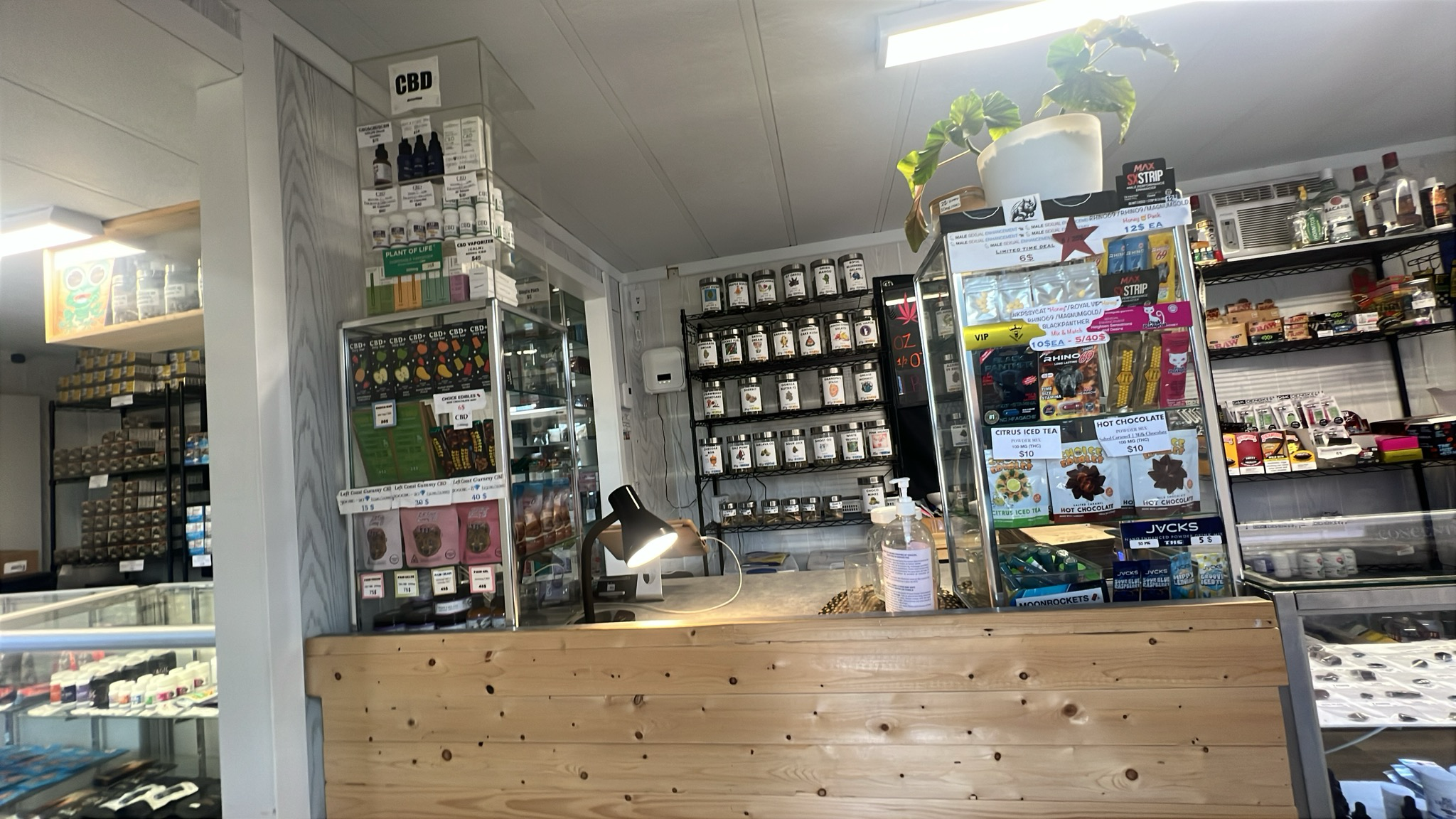
If your search points to the Kanesatake and Oka area, Bear’s Den Cannabis carries 2g disposable vape products. It’s at 1510B Rang Ste-Philomène, Indigenous-women-owned, open daily from 8:30 AM. You can browse via the Bear’s Den Cannabis shop page, and one example of the format is the Magik Mystix 2g disposable pen, a rechargeable, draw-activated device.
For an informational guide, the useful point is the staff. A disposable vape’s real qualities, potency, blend, how a strain feels, aren’t visible on the shelf, so being able to ask someone who knows the products is the difference between an informed pick and a guess. Bear’s Den has a local reputation for patient, no-pressure explanation, and will happily point you to a lower-potency option if a high-strength 2g pen is more than you want. You can read more about the Kanesatake shop and its vaporizer selection and confirm hours through the shop’s visit and contact page.
Disposable versus refillable: the real trade-off
The main decision with vapes is disposable versus a refillable battery-and-cartridge setup. Here’s the honest comparison.
| Factor | Disposable | Refillable (battery + cart) |
|---|---|---|
| Setup | Ready out of the box | Screw cart onto battery |
| Upfront cost | Lower | Higher (battery is reusable) |
| Long-term cost | Higher per gram over time | Can be lower for daily users |
| Best for | Convenience, occasional use | Frequent, cost-conscious use |
The disposable’s whole appeal is simplicity: it’s sealed, tuned as one unit, and ready immediately, with nothing to manage. The 2-gram size softens the main downside, cost over time, by lasting longer than a standard 1g pen. A refillable setup rewards frequent users who don’t mind swapping cartridges and want to save money over the long run. Neither is “better”; it depends on how often you vape and how much you value convenience versus economy.
Disposing of a disposable responsibly
Since the device is discarded when empty, a word on doing it properly. A disposable vape contains a lithium battery and electronic components, so it shouldn’t just go in the household trash. Batteries can be a fire risk in garbage and recycling streams and shouldn’t be landfilled.
The better options: many cannabis retailers and municipalities accept vape devices or batteries for proper recycling, and some jurisdictions have specific e-waste or battery drop-off programs. Ask the shop where you bought it whether they take back empties, since some do. Doing this is a small thing, but it’s the responsible way to close out a product built to be thrown away, and it keeps a lithium battery out of places it shouldn’t be.
It’s worth factoring this into the disposable-versus-refillable decision too. Every disposable you finish is a device to dispose of, whereas a refillable battery is kept and reused for a long time, with only the small cartridges cycling through. For someone conscious of waste, that’s a real point in the refillable column, and the 2g size at least reduces how often a disposable is thrown out compared with a 1g one. None of this is a reason to avoid the format, just something to weigh honestly alongside cost and convenience.
Using a 2g disposable sensibly
Framed around informed use rather than encouragement:
Start with one or two puffs. Cannabis vapes are potent and fast-acting. A couple of draws is a sensible start, and because effects come quickly, you’ll know where you stand within a few minutes.
Take shorter draws. Beyond pacing your dose, shorter pulls are smoother and stretch the pen’s oil and battery further, which matters with a 2g device you’re meant to finish over time rather than burn through quickly.
Charge, don’t overcharge. Use the recharge feature to finish the full 2 grams, but unplug once it’s charged rather than leaving it on indefinitely.
Don’t mix, don’t drive. Cannabis shouldn’t be combined with alcohol or other substances, and you should never drive after using it, regardless of the format.
If you’re new, go gentler. A high-potency 2g pen is a lot for a beginner. Lower-potency options are a better starting point, and staff can steer you to them. There’s no rush to the strongest device on the shelf, and starting gentle lets you learn your response before scaling up.
What’s actually in the vapour
It’s fair to want to know what you’re inhaling. A cannabis vape heats extract to produce an aerosol you breathe in. Health Canada, through its ongoing monitoring of what is known about vaping products, gathers and reviews information on the constituents of vaping products and their emissions. The short honest summary is that vaping is not risk-free, the long-term effects are still being studied, and buying regulated, tested products is the way to reduce exposure to unknown contaminants. That’s the sensible framing: informed, not alarmist, and firmly on the side of legal, quality-controlled supply.
Getting the most out of a 2g pen
Because a 2g pen is meant to last, a few habits help it perform well across the full amount rather than fading or frustrating you partway through.
Prime it before heavy use. If the pen has sat, a gentle first draw or two gets the oil flowing to the coil. Rushing hard pulls on a cold pen can give weak or harsh hits.
Store it upright and cool. Heat thins the oil and cold thickens it, both of which affect the draw and can cause leaks or clogs. Room temperature, stored standing up, keeps it consistent.
Recharge before it’s fully dead. Topping up the battery before it drains completely helps deliver steady draws right to the end of the oil, which is the whole point of a rechargeable 2g device.
Let it rest if it weakens. Continuous heavy use can temporarily reduce vapour. A short pause usually restores performance, which is normal for concentrated-oil devices.
None of this is complicated, but it’s the difference between finishing all 2 grams smoothly and getting frustrated halfway. If a device genuinely malfunctions, the authorized retailer you bought it from is the right place to raise it, another reason to buy legal rather than from an unregulated source with no recourse.
Why the format took off
Disposable vapes, and the larger 2g size in particular, became popular for a few straightforward reasons worth understanding.
Simplicity. There’s no learning curve. You don’t need to know about batteries, cartridges, or compatibility. You buy it, and it works. For people who found refillable setups fiddly or confusing, that removed a real barrier to trying vaping at all.
Discretion and portability. A disposable is small, produces little smell compared to smoking, and slips into a pocket. That suits people who want a low-profile option.
Consistency. Because the device is tuned as one sealed unit, the draw is engineered to match the specific oil inside, which can make for a more consistent experience than mismatched battery-and-cartridge pairings. A cartridge designed for one oil viscosity on a generic battery can pull unevenly; a sealed disposable avoids that mismatch by design.
The 2g upgrade. The move to 2g capacity addressed the disposable’s biggest weakness, running out quickly, by roughly doubling how long a pen lasts. That made the convenience of a disposable easier to justify against the per-gram cost.
None of that makes a disposable right for everyone; frequent users may still prefer a refillable setup for economy. But it explains why the format, and the 2g size, is so common on shelves now.
How vaping compares to other formats
To place the disposable vape in context, here’s how vaping sits against other ways to consume cannabis. None is universally better; they suit different priorities.
Versus smoking flower or a joint. A vape heats extract without burning plant material, so there’s no smoke, less smell, and more discretion. Some people prefer the ritual and full character of a joint; others prefer the convenience and lower odour of a vape.
Versus edibles. Edibles are eaten and take effect slowly, from thirty minutes to a couple of hours, and last much longer. A vape is inhaled and felt within minutes, which makes it easier to gauge and pace. If long duration and no inhalation matter, edibles fit; if fast, controllable onset matters, a vape does.
Versus dabbing concentrate. Dabbing raw concentrate with a rig is the most involved and potent route. A disposable vape delivers extract in a far simpler, portable form. For most people wanting convenience, a vape is the practical middle ground.
The disposable vape’s niche is convenience and portability with fast onset. That’s its appeal and also its limit: it’s not the cheapest way to consume over time, nor the most ritual-rich. Knowing where it sits helps you decide if it fits how you actually want to consume.
Who a 2g disposable suits, honestly
It suits people who value convenience. No setup, no maintenance, pocket-sized, ready to go. If simplicity is what you want, this is the format built for it.
It suits semi-regular users who want a pen that lasts. The 2g size stretches further than a 1g one, so you replace it less often.
It suits people who want discretion. Low smell and a small device make it easy to use without drawing attention, within the law and away from others.
It’s less ideal for heavy daily users watching cost. Over time, a refillable battery with cartridges can work out cheaper. If you vape a lot, do the math.
It’s not a beginner’s high-potency starting point. Many 2g pens are strong. If you’re new, a lower-potency option and a careful approach make more sense, and staff can steer you there.
That’s the honest picture. Match the format to how you actually consume rather than to what’s most convenient to grab.
Frequently asked questions
What does “2g disposable” actually mean?
It’s a sealed, all-in-one vape pen holding 2 grams (2ml) of cannabis extract, about twice a standard 1g pen. Battery, oil, and heating element are built in, and most are rechargeable so you can use the full amount. When the oil is gone, you discard the device.
How long does a 2g pen last?
It depends on use. A 1ml pen runs roughly 100 to 200 draws, so a 2ml pen roughly doubles that. A once-a-day user might get a few weeks; a heavy user far less. Longer, harder pulls use more oil and battery than short ones.
Why are 2g pens rechargeable?
Because the larger reservoir needs a battery that can outlast it. Recharging ensures the battery doesn’t die before the extract is finished, so you actually use all 2 grams rather than stranding some in a dead device.
How do I know a vape is legal in Quebec?
Look for a provincial excise stamp, standardised labelling with total THC and a yellow health-warning box, and buy from an authorized retailer. Legal products are tested for contaminants and accurate potency; illicit ones may not be. Quebec’s minimum age is 21.
Disposable or refillable, which should I get?
Disposables win on convenience and lower upfront cost; refillable battery-and-cartridge setups can be cheaper over time for frequent users. A 2g disposable lasts longer than a 1g one, easing the main downside. It comes down to how often you vape.
Where can I ask about 2g pens near Oka?
Bear’s Den Cannabis in nearby Kanesatake, at 1510B Rang Ste-Philomène, carries 2g disposable vapes and has staff who can explain them. It’s open daily from 8:30 AM, Indigenous-women-owned, and operating since 2018. Stock varies by batch, so confirming ahead is sensible if you have a specific product or strain in mind.
How should I dispose of an empty vape?
Not in the household trash. A disposable contains a lithium battery, so use a vape or battery recycling option instead. Many retailers and municipalities accept them, and some shops take back empties. Ask where you bought it.
Legal notice. This article is general product information only, not legal, medical, or purchasing advice, and makes no health or therapeutic claims. Cannabis is for adults. In Quebec, the provincial minimum age is 21, the highest in Canada, and home cultivation is prohibited. Certain retailers in the Kanesatake area operate on Sovereign Mohawk Territory outside Quebec’s SQDC framework under asserted Indigenous sovereignty; the legal status of retail on this basis is contested and distinct from provincially licensed stores, and readers should understand the rules that apply to them. Vape products are potent; know your limits, buy from authorized sources, dispose of devices responsibly, and never drive after consuming cannabis. Keep all products away from children and pets. Details and availability change; confirm directly with the business.